The tattoo color is placed under the transparent layer, but the tattoo color is originally opaque. In theory, any color is like this, including white, however, the skin is translucent and unclear, so it will Some color materials cannot display color. This part of the color material will produce a slight yellow goods reaction without any treatment, and the effect of people with dark skin will be more vivid.
Professional tattooists pointed out that there is one thing to note, because the white color is relatively unsightly to the color effect in the initial tattoo, experienced tattooists use a lot, sometimes even the entire area. White pigments are usually used for toning, and other colors are adjusted to a brighter tone. Finally, many tattoo artists will also use white color to make bright tattoo colors before covering, so as to achieve better results.
Tattoo pigments are unregulated, and in general, tattoo artists rarely pay attention to the special ingredients added by pigments-only a small part of the pigments have been tested for skin allergies. These pigments range from metal oxides to synthetic dyes in various fields. The colors that often cause allergic reactions are red and yellow. Some people have allergic symptoms such as redness and swelling of the tattoo area, uneven wounds and itchy skin. Some people will have more intense allergic reactions such as wound fever, skin ulcers, and long-term infections.
It is worth noting that tattoo allergies may show up as the exposure time increases (this is also the reason for more rice allergies in Asia than North America. Their allergic reactions will not start to appear, and it may take 50 years or more) Symptoms occur). A tattoo artist has this experience:
"I am 29 years old and have more than 70 tattoos on my body. I have recently been allergic to yellow pigments. This tattoo has been tattooed for more than a year before the allergy, so a tattoo looks okay now does not mean that it will not be in the future. Question. Despite the experience and the guarantee of a disinfected working environment, the tattoo artist cannot prevent allergies by himself. Allergies are very painful and will worsen. So be careful before using coloring materials! "
Pigment allergies can be eliminated with lasers or surgically removed, but most people take the "go with it" method or apply some allergy ointment. Of course, many people have allergies only when the weather is hot (environmental factors undoubtedly play an important role in this). Someone described their experience as follows: "I am allergic to red pigment: swelling, itching, and swelling of the pigment area ... At the same time, she begins to shed and scar, and using antihistamines to treat tattoo allergies will cause the wound to split further. . My biggest regret is that I know very little about this allergy-it would be nice if I knew more about it! "
I want to avoid allergies unless I do a field test, but in my opinion, no one actually uses this method, and it is not feasible. Because there is no effective way to further clarify whether tattooers will be allergic to pigment. Fortunately, allergies are not common, so choosing good colorants becomes important, and it is relatively safe to use colorants that have been tested in the market for a long time.
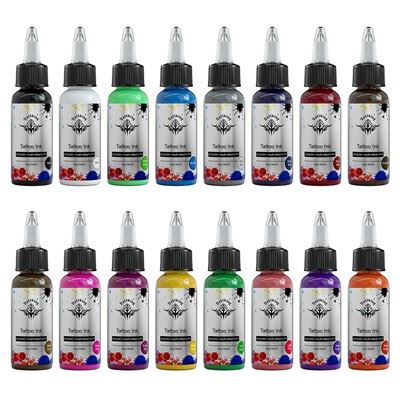
Tattoo color is a pigment substance that is implanted under the skin surface when using a tattoo machine to express the effect of a pattern. Theoretically, it is not a real ink-in fact, it is a pigment (generally a metal salt or plastic) and the same active solution that keeps it clean and usable.
Some tattoo artists make color mixtures themselves, although many of them are made after purchasing finished products. The advantage of using your own coloring materials is that you can clearly know what the ingredients are, and adjust the active solution ingredients according to your needs (for example, to ensure that they are safe ingredients). The solution is made by mixing a small bottle of vodka (or Liszt preservative, etc.) with a small amount of glycerin and propylene glycol (if these ingredients are used too much, the formulated color will be too oily and may separate the ingredients), and then add the Powdered pigments are blended into homemade colors.
Commonly used active ingredients in other self-made colorants or colorant products include alcohol, antifreeze, formaldehyde, water, witch hazel tincture, etc.-although the general product ingredient list is marked as "disinfectant, sprinkle, glycerin".
It should be noted that many pigments will be damaged by sunlight-so do not store the pigments close to the window. Excessive heat will also change the pigments, so the tattoo pigments cannot be heat-sterilized using an autoclave.
Tattoo colorants are non-regulated and do not require "FDA approval". Many of the ingredients in the colorants are approved for use in cosmetics, food, and pharmaceutical devices (including itchy iron, hematoxylin and titanium dioxide), although Many have not been approved, and even so, pigment allergies are very rare-after all, there are five million people tattooed each year but almost no complications of this form are disclosed. This means that even if an allergy occurs, an experienced dermatologist can cure it.
Some people think that the use of certain OTC (over-the-counter medicine) analgesics before tattooing can reduce pain. However, you should understand the following information. Acetaminophen (antipyretic, an antipyretic and analgesic alternative to aspirin)-the widely recommended drugs often sold under the "Tylenol" trademark, aspirin and ibuprofen are all alternative drugs , But they all suppress platelet regeneration. In other words, after you found out that these drugs were used, the wound may be "without blood flow".
There are also some anesthetics that can be considered for use. For example, lidocaine and benzocaine are both available at pharmacies without a prescription. The disadvantage of these drugs is that they can't produce an effect when the skin is not damaged, but if they are applied after being tattooed with a tattoo, their effect will be very significant.
EMLA (abbreviation of Eutectic Mixture of Local Anesthetics) is considered to be a very effective anesthetic, and can produce medicinal effects on damaged skin, but in the United States it is a drug regulated by the FDA (Food and Drug Administration).