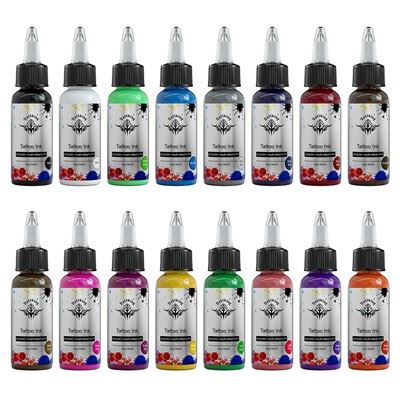
Many tattoo colors are made of metal salts. They are generated by the change of color friends produced by the oxidation of metal elements. Have you ever seen the steel roof of a church turn green? This is what copper produces after oxidation. If the human body has green or blue pigmentation, it must be copper salt. The only safe green and blue pigments on the market are made from this copper salt. Among other materials that can be used to make these pigments, cobalt is toxic and celestite is very unstable. Painters and craftsmen may be familiar with this color. Copper salt pigments have been approved by the FDA for use in contact lenses, surgical infusions, and baby furniture paints.
Some pigments are considered very safe, for example, black, most of them are made of carbon black, and bone charcoal is used in Indian colors. It is mainly made by burning animal bones or kerosene and collecting its soot. Purple or violet is derived from dioxazine and carbazole, yellow is extracted from arylate, and naphthol red is taken from naphthol solution. The red color made of other materials will more or less cause scarring and allergies. Magenta is safe, but it is generally believed that it is not bright and stable enough compared to other pigments. Orange is also safe, and white made of zinc and titanium is also safe. Titanium can produce very good white. Brown, even though it is mainly produced by iron oxides, is still considered a relatively safe pigment.
It is worth noting that many red pigments are problematic, and they often produce symptoms of burning, scarring, or rash. Some red pigments can also cause serious damage, especially pigments extracted from iron oxides and mercury, but this is very rare. Allergies and scars caused by cinnabar red are high in tattoos. These substances are considered to be extremely unreliable. I have heard that doctors advise patients to remove these pigments after drinking alcohol from living tissue.
Yellow is generally regarded as a safe pigment, but when used in large amounts, it can also cause burning and scarring. This is mainly due to the change in PH value after entering the skin, and yellow pigment has been controversial for a long time.
Also worth carrying are plastic pigments (for example, some special luminous pigments). These pigments can cause aggregates under the skin tissue to accumulate large areas of hard material under the skin. A similar situation occurs when the ethanol-made active solution and the plastic solution bottle react.