The custom of tattooing refers to the custom of embossing the skin of primitive tribes around the world. That is, after the operation, it leaves a permanent pattern on a certain part of the body. The patterns include birds, beasts, flowers, totems, scriptures, and gossip. Reflect their aesthetic consciousness and religious concepts. In China, the Gaoshan, Deang, Li, Dulong, Dai, Brown, Jinuo and other ethnic groups have the custom of tattooing. Folk names refer to the custom of tattooing on the skin. See "Guliang Chuan·Thirteen Years of Aigong": "Wu, the kingdom of Di Yi, wish to have a tattoo." People use ink or other colors to draw on the skin of a certain part of the body and write with a needle before the ink is opened. Puncture it, the ink will spread from the needle hole to the skin. After healing, wash away the ink on the skin surface, and the drawing-shaped writing will appear under the skin and never disappear. Call it a tattoo.
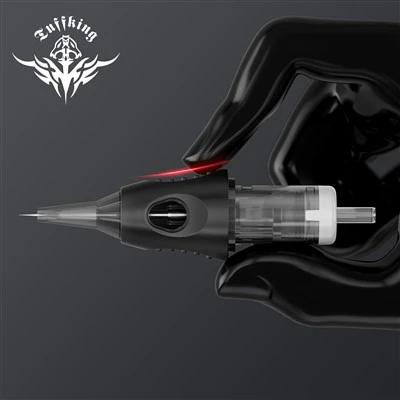
Modern tattoo. As part of the glorious history and culture of mankind, tattoos have lasted for more than two thousand years. In the current real life, the impression of Chinese characters is mostly unbelievable. I directly think of the patented products of underworld figures. In fact, this concept is not suitable for modern times. Cultural information no longer treats tattoos as a taboo. Among tattoo workers, some are husbands and wives and couples, expressing love to leave the other's appearance on their bodies, and some are unclean. The first one is handed down by the Maori people. It uses shark teeth and animal bone spurs to tie a wooden stick and dip it in ink, and tap it into the skin with a small hammer. The second is to tie several needles together and tie them to a wooden stick, and pierce the skin manually. The third is to use a motor to drive the needle into the skin. This method is commonly used by tattooists today. Modern people's understanding of tattoos is all-encompassing and highly personalized. This kind of permanent pattern with a little pain will accompany one's life. The commemorative, stimulating, and liberating nature of this body language is different for everyone.