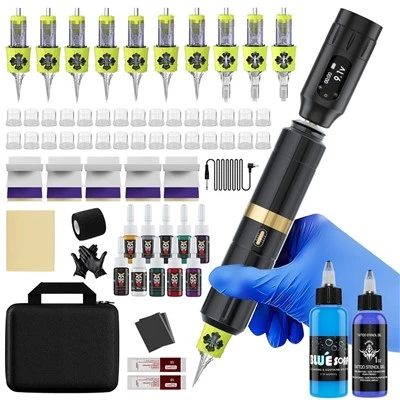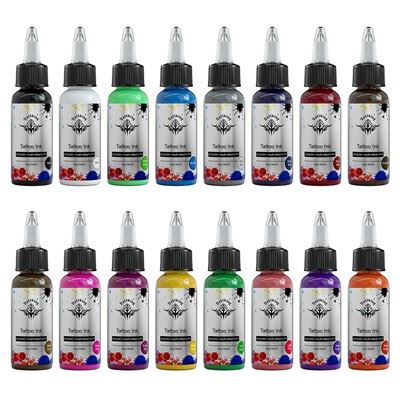
When using mixed inks, there is one thing you should be aware of: there are still very unobvious potential safety hazards in tattoo pigments.
Alcohol makes the skin easier to penetrate. This means that when alcohol is mixed with colorants or used to disinfect the skin surface, more chemical components will enter the body more easily than under normal circumstances.
Alcohol has a more vivid name called "co-catalyst". In biomedicine, alcohol can have a synergistic effect with other chemical substances and produce stronger side effects than themselves. Once any harmful substances are added to the ink pigment, alcohol may cause it to enter the body, not only in the tattooed area, but also in the body to cause a reaction.
The chemical substances used in internal medicine usually require that the relevant mixture substances carried in them are safe and harmless. Even so, a high-purity substance mixed with a small amount of pollutants may produce extremely harmful effects. For example: the drinking of distilled water is not recommended. The production of distilled water requires boiling the source water to evaporate and condense and recover. In this process, other vaporized substances in the source water used to make distilled water will also follow the distilled water. Is formed and condensed into distilled water, such as phenols, benzene compounds and even vaporizable mercury that are harmful to health.
The production personnel of the mixed color material need to understand the relevant sterilization technology. Including the need to understand the operation of heat disinfection and cold disinfection, and to understand the various materials required for disinfection. Dry and mixed pigments cannot be heat sterilized, because heating will cause chemical changes in the pigment molecules and sometimes produce harmful materials.
Even so, I still think that alcohol is the safest solvent to mix with pigments. Propylene glycol and glycerol can dissolve the pigment in the active solution very well. Propylene glycol and glycerol can be bought in pharmacies, and these raw materials are also supplied to soap making and internal medicinal herbs. The purpose of this article is that readers can dissuade those who are skeptical of tattoos, and consult professional practitioners about whether they want to tattoo, so that they can use tattoo pigment products more cautiously.