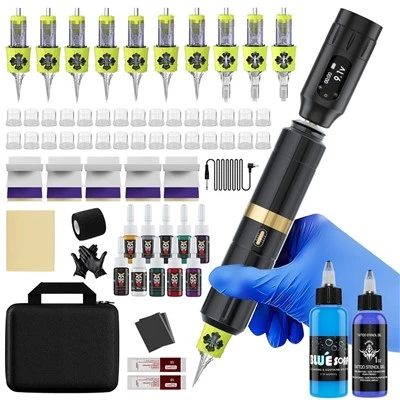
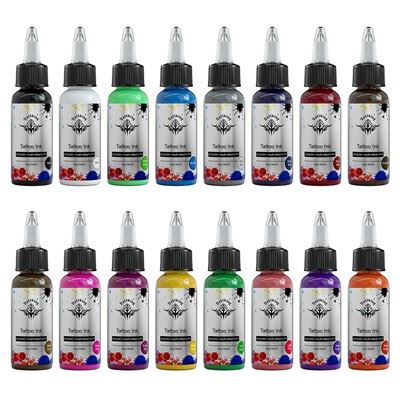
Clinically, tattoos are divided into professional, amateur, cosmetic, traumatic and iatrogenic tattoos. Professional tattoos are when the tattoo artist injects one or more organic color dyes into the dermis with the same depth. There is almost no pigment in the epidermis. The tattoo has a clear boundary and uniform dyeing. The main components of the dyes used are: red dye contains amalgam, yellow contains cadmium The green contains chromium and the blue contains cobalt. Amateur tattoos are performed by non-professionals. Carbon or ink is often used to inject into the dermis. The depth of injection is different and the dyeing is uneven. Beauty tattoos usually refer to eyebrows, eyeliner, lip line or full lips, and are mostly done by hand. The dyes are brown, black and red ink, and the ink contains iron ions or iron oxide. Traumatic tattoos refer to foreign bodies entering the skin after trauma. There are many types of foreign bodies, including soil, glass, metal, certain carbonaceous substances, etc., which can penetrate deep into the skin and form granulomas. Iatrogenic tattoos refer to tattoos applied to the lesions in order to cover up certain skin diseases, injuries or defects to cover up the original disease.