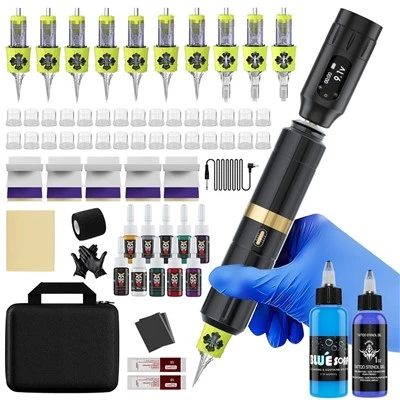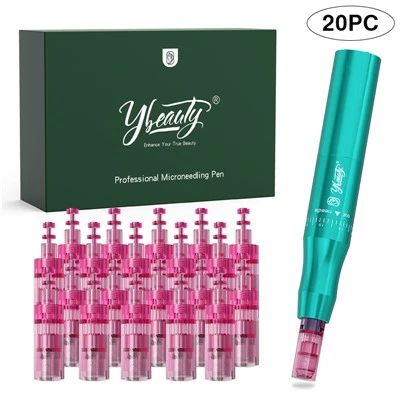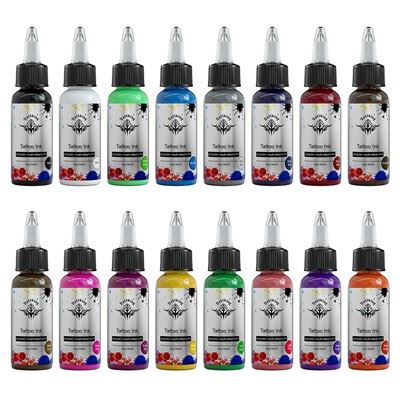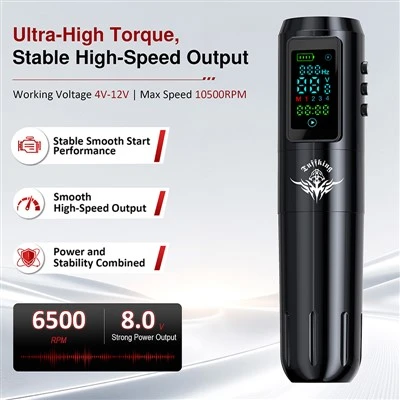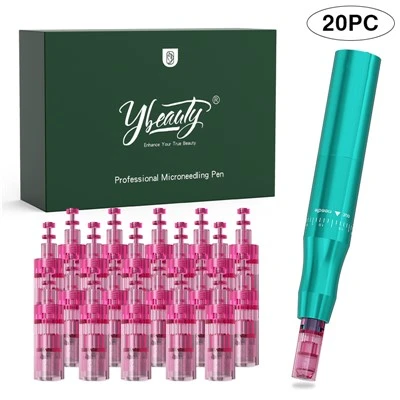
First of all, pay attention to whether the equipment in the tattoo shop is clean. Tattooing can be regarded as a minor operation, so the cleanliness of the equipment is very important. The tattoo operator should use disposable gloves and needles. The tattoo machine should be made of stainless steel.
Second, we must understand the quality of tattoo pigments. Today's tattoos usually do not use the dyes and inks used in tattoos, but use liquid plant pigments soaked in alcohol. Because plant pigments are extracted from natural plants, they are less susceptible to infection when they enter the skin.
Third, we must pay attention to our own maintenance. When tattooing, use adrenaline to clean and stop bleeding. After the tattoo is finished, warm water should be used to scrub the tattoo, and the tattoo must be dry (usually one week), otherwise it will cause infection and cause the skin to decay.
Fourth, animal blood or cinnabar tattoos are not acceptable. Pigeon blood cinnabar tattoos are extremely risky.
Fifth, it is not acceptable to treat punctured wounds with alcohol or purple syrup (alcohol will stimulate the wound, and purple syrup will damage the color of the tattoo).
Sixth, after the tattoo, you need to modify the professional tattoo ointment or medical vaseline. After 2-3 hours, rinse the ointment and blood with warm water and dry it with absorbent cotton or professional paper towels. Do not modify any drugs in the future.
Seventh, itching, scabs, and peeling are normal a few days after the tattoo is finished. Don' scratch the wound, avoid infection or discoloration, and the underwear should be soft.