Clean operating conditions are not mentioned here, this is the minimum quality of each tattoo artist. The skin is most susceptible to infection when there is a wound, so try to reduce the wound surface as much as possible when tattooing, do not paint on the same skin multiple times, and try to allow the wound to recover quickly (Vitamin E has a better effect on wound healing, But it is not needed in normal circumstances). There is also a relatively large area of movement that is relatively susceptible to infection and inflammation. For example, joints and lower legs may not be repaired well during the wound recovery period because of walking force, so the infection probability during the repair period is relatively large. We can warn customers to minimize the tension in the tattoo area before the tattoo wound is completely healed. At the same time, we can take anti-inflammatory drugs, apply anti-inflammatory cream (I personally think that Baiduobang ointment is good, sold in drug stores) and other general tattoo artists know Precautions.
Rejection, some phenomena caused by the body's inability to accept certain foreign substances (usually manifested as tens of days-itching, peeling, granulation, swelling in a few years), the treatment of rejection is far from infection, so we should Start with prevention.
First, the contraindications to tattoos, I myself ask in this regard. Heart disease, high blood pressure, diabetes, thrombocytopenia, underage, abnormal skin, severe scar constitution, cold period, severe fatigue period, weak body, allergic skin, drug abuse (severe drugs), etc. Do not tattoo.
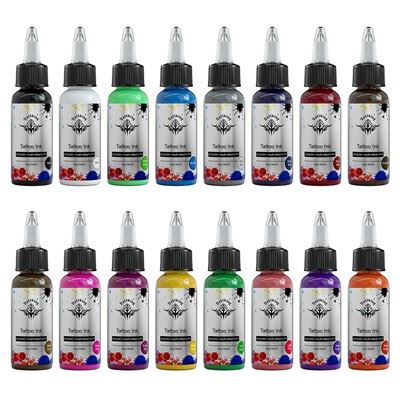
Second, the colorants are strictly controlled. Novices can ask which brand of pigment is the most secure. In fact, no matter how expensive the colorants are, I have been wondering why some people still use inferior colorants. I personally recommend the color series to use colorants produced in countries with a more standardized tattoo industry.
I heard that regular medicines need more than 10 years of clinical trials before they can be put on the market. This is for safety reasons, but it still cannot eradicate allergies. I don't think all current domestic and foreign tattoo pigments can do this. So don't think that a certain color is absolutely safe for all people. While choosing colorants, we should pay more attention to other aspects to avoid the occurrence of late rejection (such as skin allergies, weak health, serious irregular habits, and the possibility of late rejection by drug users is relatively large).
Third, all appliances that directly or indirectly contact the customer's wounds are made of disposable materials and disinfected again before operation. In short, they are as perfect as possible in terms of hygiene.
Fourth, the rubber band that fixes the tattoo needle rod should not be too tight, to avoid the powder from the excessive friction between the needle and the needle mouth into the skin.
Fifth, do not pierce too deeply during operation. When we encounter an exclusion event, superficial pigments are relatively easy to treat. In the event of rejection, if you only give customers some anti-allergic drugs, most of them will not cure the rejection and may recur in the future. If the customer's rejection is serious and the area is large, we have to find a way to get the pigment out. There are a few masters who said that the method of treating rejection is good. Here I introduce a method for treating particles or a small amount of protrusions-using a thermal sprayer commonly used in beauty salons, filling with liquid methotazole, and performing rejection. Thermal spray, the distance is based on the customer is not uncomfortable, 5-15 minutes each time, and then clean. Once a day, when something comes out of the granules, you can try to squeeze the granules with the ring-shaped end of the squeezed acne after disinfection. As long as the contents are squeezed out, the phenomenon of rejection can be obtained. Very good. Pay attention to cleanliness and hygiene, and allow customers to take anti-inflammatory drugs and anti-allergic drugs.
If it is very slight rejection, sometimes it will heal without treatment. In fact, the rejection phenomenon is a kind of self-protection of the human skin. The human body will reject things that it cannot accept, and this process will produce itching, repeated peeling, particles and even protrusions. This process is quite uncomfortable for customers. Therefore, for the sake of customers, the reputation of our tattoo artists, and the development of the tattoo industry, we hope that all those who love tattoos can communicate with each other and learn from each other.